
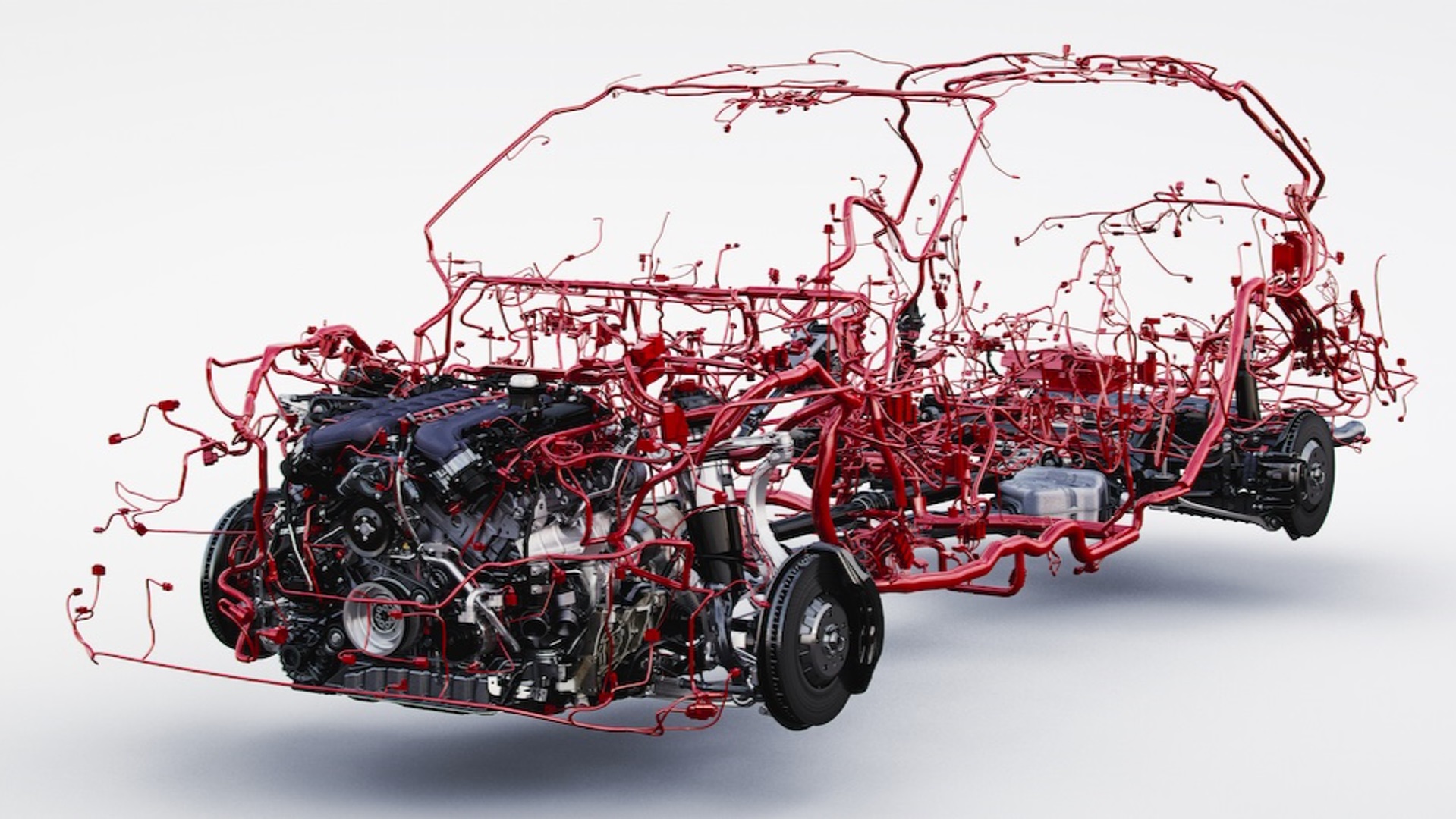


The majority of motor vehicles on the road today have features that were either expensive luxuries or not even conceived of a decade ago.
Many of these features incorporate devices that are electrically operated and we don’t give a thought about what connects power to the operating component when we use them.
The majority of these connections are not yet “wireless”, but use the age-old technology of insulated flexible fine copper wires to connect power source (battery), switch and device (light-bulb, heater, servo-motor or instrument).
The number and diameter of the fine copper wires in each strand are determined based on the power requirements of each individual circuit and they are then insulated, cut to length, the insulation stripped back at each end, and the strand fitted with the required terminals or connectors.
Individual cables are then assembled and clamped together on a special workbench or assembly board which replicates the spatial and geometric layout of a particular vehicle model. Various combinations of individual cables are then bound with protective sleeves, extruded yarn tape or threaded into conduits, depending on their placement within the vehicle, to form the completed cable harness.
This process is difficult to automate and remains a manual operation requiring highly skilled technicians, but the advantage comes later in the vehicle assembly process where one harness can be installed rather than multiple individual wires.
A cable harness must possess electrical integrity, mechanical strength, low weight, flexibility where necessary, and impact and fire resistance. The harnesses are specified and tested according to stringent vehicle manufacturer and international specifications.
Spare a thought for the humble harness when on your next daily commute.
NOCKERS ENGINEERING PRODUCTS supplies fine copper wire strands to some of the leading automotive cable manufacturers in South Africa.
Whether for electrical or mechanical applications we supply the specialized wires that drive modern developments.